
Last Updated 3 years ago
As the competition in the ridesharing space gets fierce with new companies entering the market against Uber and Lyft, organizations pioneering the development of driverless technology in a bid to bring down costs and thus offer better fares to customers are facing setbacks.

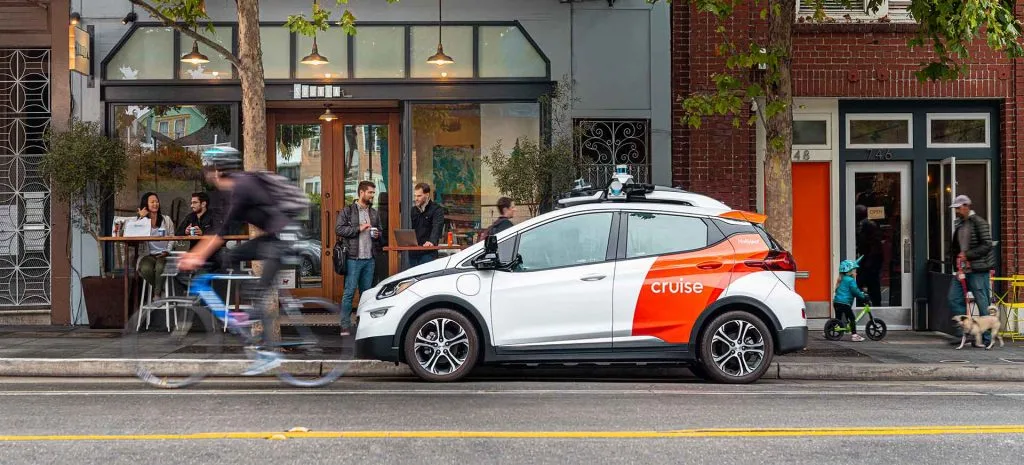
Credit: Cruise
The Department of Motor Vehicles of California on last Tuesday, October 24th suspended the license of Cruise, the driverless arm of General Motors.
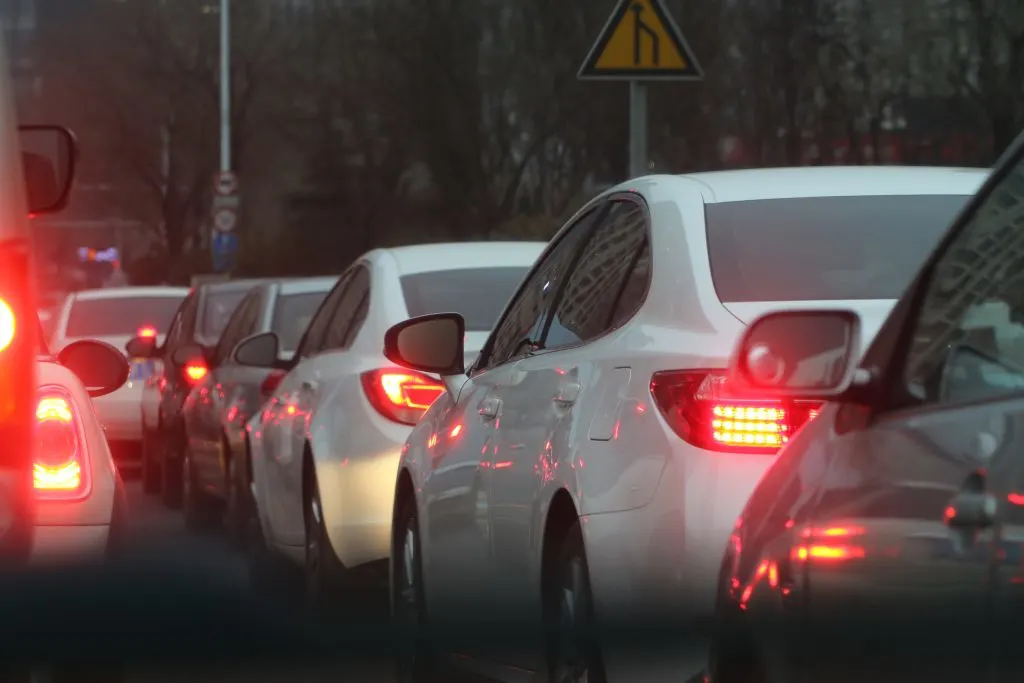
According to the DMV, cruise vehicles have been involved in several accidents on state roads. Instances rage from the cruise taxi blocking streets, traffic jams, and striking pedestrians.
Last year, at least seven self-driving Cruise vehicles blocked several lanes in San Francisco as reported on Reddit.
In September, a traffic jam caused by at least 20 Cruise vehicles was registered at the University of Texas in Austin.
On October 2nd, a pedestrian was struck by a hit-and-run driver. The impact threw the pedestrian to the adjacent lane and was hit a second time by a Cruise vehicle, which was not able to stop on time. The pedestrian was critically injured and extracted from under the vehicle.
This is certainly a hiccup in the safety image that Autonomous Vehicles technology is looking to project.

Credit: shilin wang from Pixabay
How does it impact U.S. users?
Cruise has operations of robotaxis in Austin, Phoenix, and Houston. However, after the ban in California, GM decided on Thursday, October 26th to stop operations of its driverless units nationwide until they find a solution to regain the trust of the public.
AV transportation services present an alternative solution for current service providers. It also gives the average American access to transportation at affordable prices. This technology can also greatly impact the way more traditional industries are run, such as logistics and truck driving.

Credit: gibblesmash asdf on Unsplash
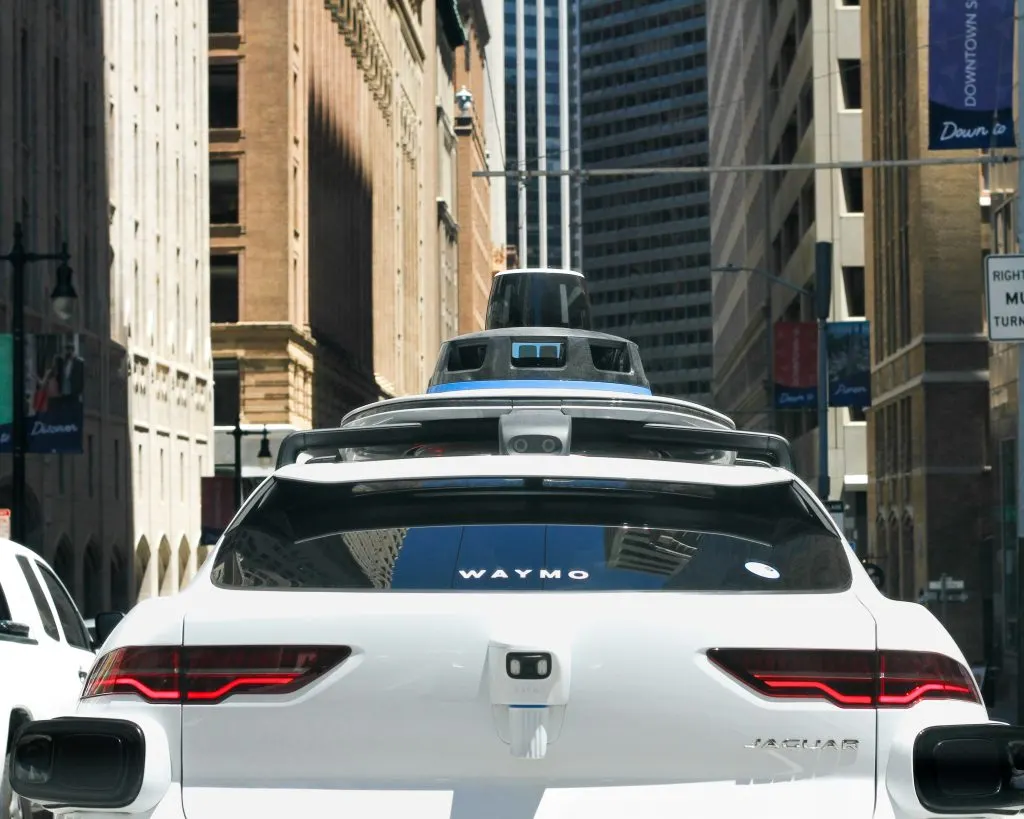
This technology is not new, Waymo, a subsidiary company of Alphabet, has been in operation since November 2019, becoming one of the first companies to provide transportation services without human supervision.
On the other hand, Cruise was founded in 2013, and in 2016 GM announced its plans to invest in the company for the first time. Nowadays GM owns about 80% after buying stocks from SoftBank in 2022.

Credit: Pixabay
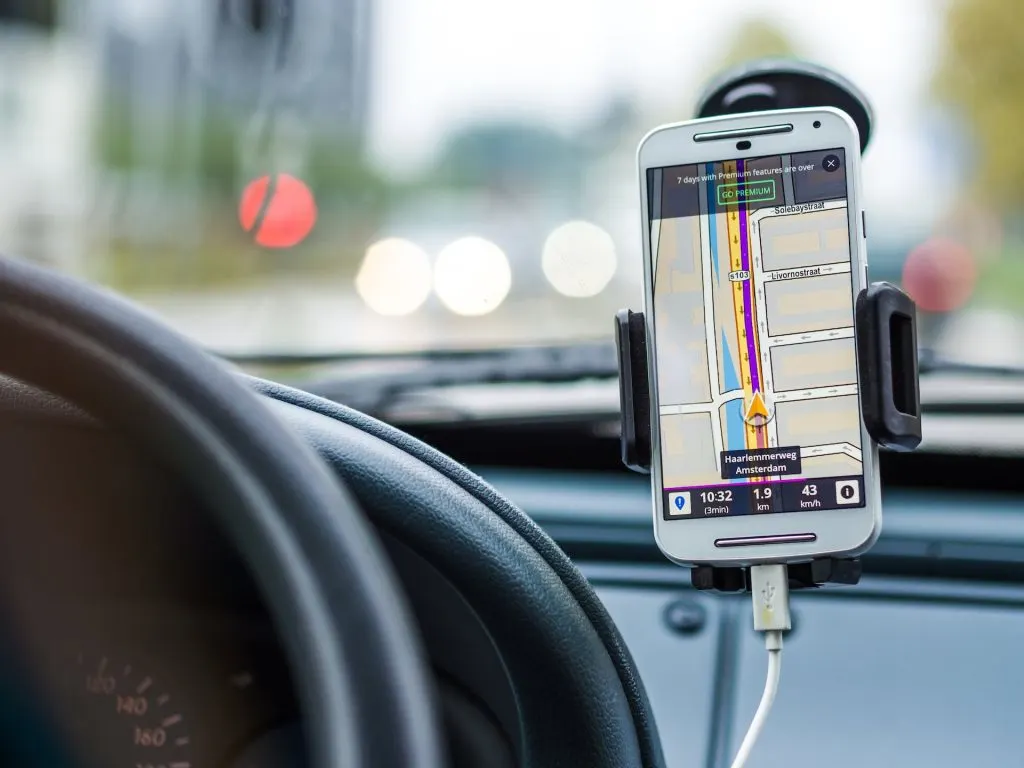
According to an analysis performed by The San Francisco Standard the cost per minute of the ride using Waymo was on average 23% cheaper compared to the same rides using Uber. In addition to this, on robotaxi rides, there is no need to tip the driver.
On the other hand, the analysis highlights the fact that the waiting times of Uber and the total duration of the trip were smaller than those offered by Waymo. This is because of the reduced amount of AV units on the road and the current limited roads that these vehicles can access.
Despite the limitations, autonomous vehicles represent an advantage for Americans to access cheaper and more efficient transportation in the future.

Credit: Mohamed Hassan from Pixabay
However, to do this, several factors need to be developed. Companies such as GM’s Cruise have to prove that AVs are safe for users. Until then and because of this ban, the average American might have to wait longer before robotaxis become the norm.
If Robotaxis are so Beneficial, Then What’s the Issue?
Besides the current and future benefits that driverless transportation represents for users, the main opposition has to do with Americans losing jobs. As reported by TechCrunch, most of the recent accusations against Cruise have been held by labor unions, mainly Teamsters 856 and RDU (Rideshare Driver United), due to the imminent risk that autonomous vehicles represent to thousands of driving jobs across the country.

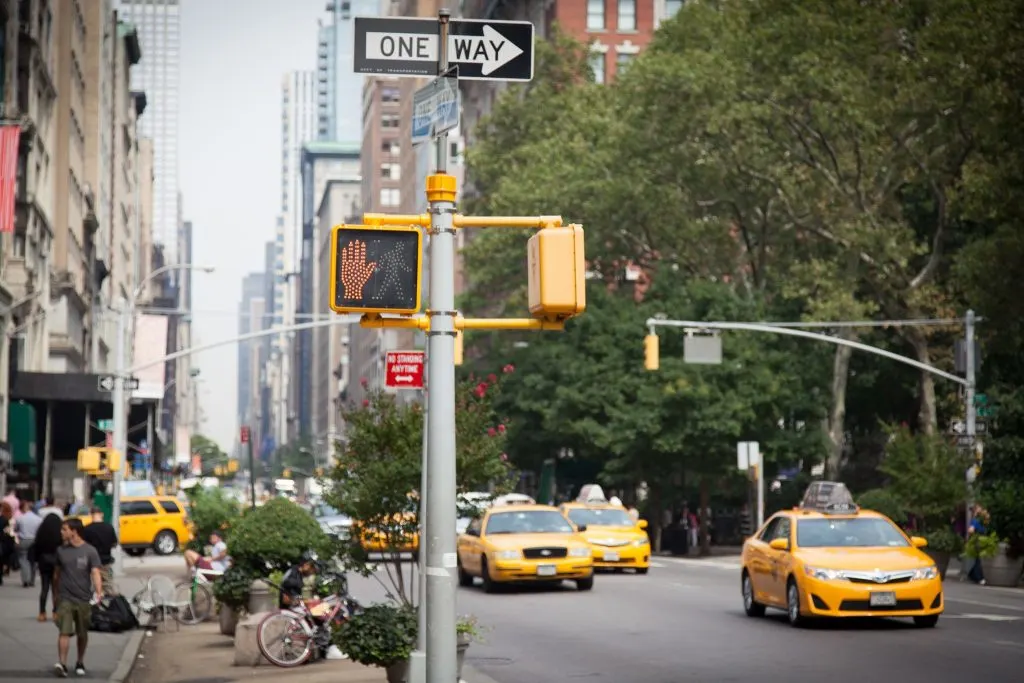
Credit: Richard van Liessum from Pixabay
In a statement, the President of the Transport Workers Union, John Samuelsen said that Cruise demonstrated that robots are incapable of achieving the high standards displayed by human drivers.
Hugo Soto Mayor, a member of the Los Angeles City Council emphasized that robots won’t only put on risk well-paying union jobs but also pose risks to pedestrians.
Autonomous Vehicles to be the Future of the Ride-Hailing Industry
Several companies are in the race to develop AV technology such as Aurora, Waymo, Cruise, Tesla, Aptiv, or Zoox (an Amazon subsidiary).
Uber has acknowledged in their 2021 financial performance report the threat that autonomous vehicles pose to its bottom line if the company does not start using this technology itself.
As in other industries such as manufacturing, robots have been demonstrated to be more reliable than humans producing products at a faster pace and better quality. Similarly, there is no doubt that robots can revolutionize the transportation industry reducing accidents on the roads and making rides more efficient.

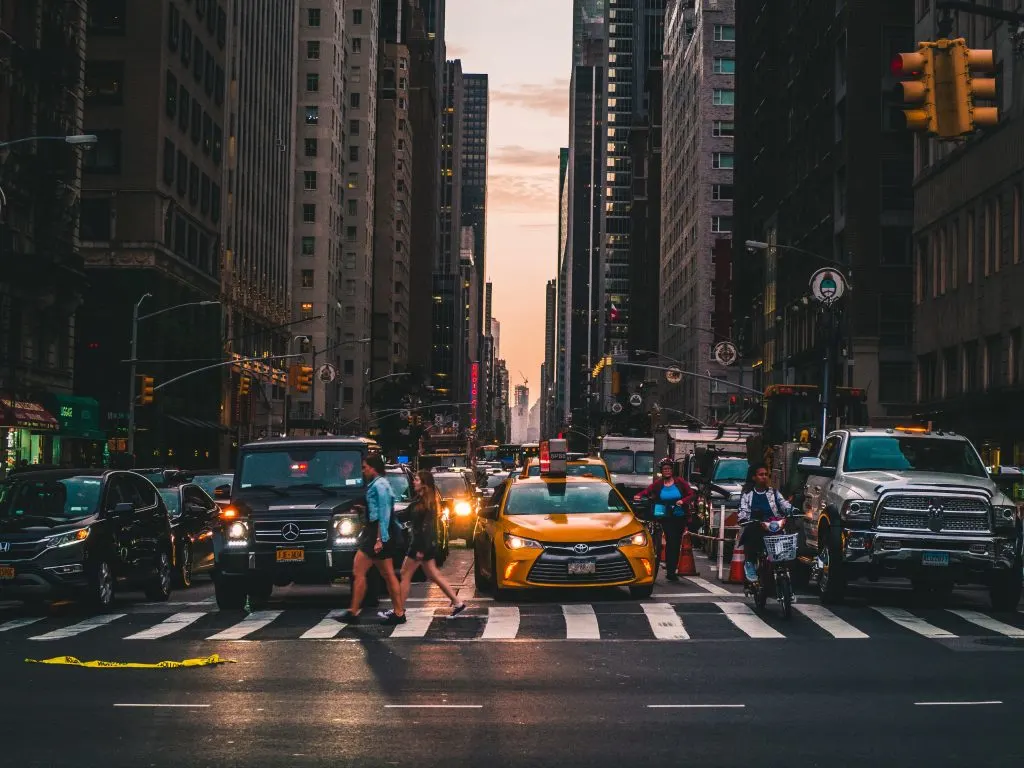
Credit: Jp Valery on Unsplash
Automation is here to stay and many jobs will disappear during the transition. But, there is still a long way to go before the new standard in transportation becomes cars with no drivers taking you from point A to point B safely and efficiently.