
Last Updated 3 years ago
The world we live in is changing rapidly and technology is accelerating the change in many aspects of our daily lives.
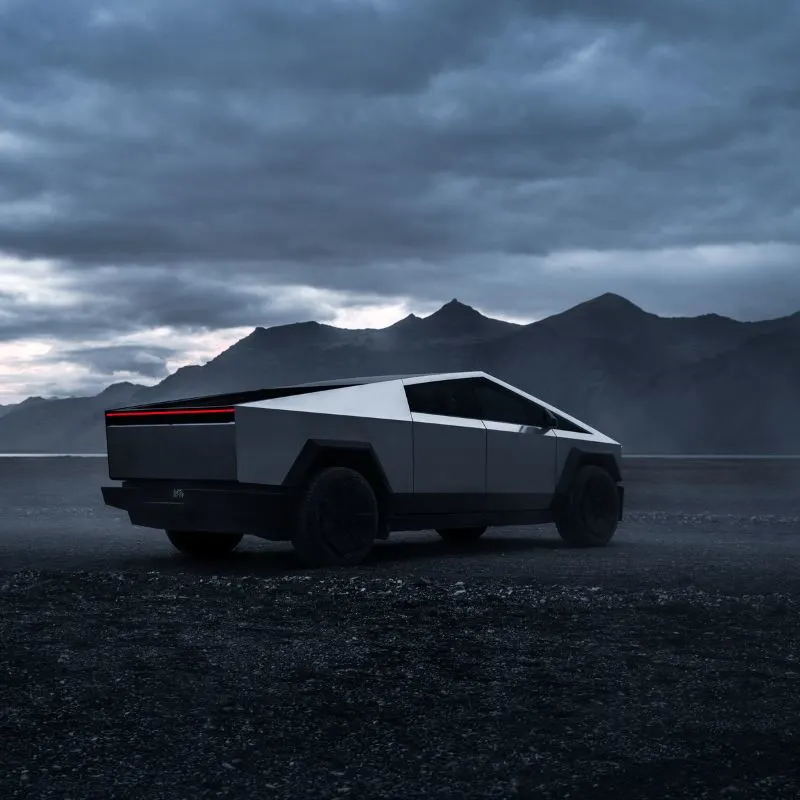
We all know that we are in the middle of the electric vehicle transformation, and with this, the biggest American players are using their best moves to become the market’s favorite: Tesla is producing this year its futuristics Cybertruck. Ford is offering its best-selling truck in the electric version with the F-150 Lighting.

And recently Stellantis, the new company formed by the merger of the Fiat-Chrysler and PSA Group (the firm behind the production of the Peugeot), announced the launch of electric models on the Dodge and Jeep brands.
Meanwhile, on the other side of the world, Asian automakers are growing rapidly and expanding their presence in different countries, positioning their brands as the preferred of the public.
In this article, we will discuss what Chinese automakers are doing to compete in the EV market and how U.S. consumers could be impacted.
Chinese Carmakers Are Conquering International Markets
We all have heard that China is also known as “The World’s Factory”, and this is because of the low manufacturing cost that the country offers compared to other nations.
Cheap manufacturing costs and investment in electric vehicles by the Chinese government, have helped Chinese EV manufacturers to accelerate their growth.

In 2023, China exported more than 5 million cars, becoming the world’s largest car exporter, a title that Japan held before.
To keep this growth, Chinese automakers such as BYD and SAIC are looking for ways to keep reducing costs. And recent movements of these companies point towards one direction: to minimize transportation costs.
Carmakers Investing In Maritime Transportation
You might be wondering: how do Chinese carmakers plan to achieve this?
One answer is building huge vessels to send cars to different countries. This week, Reuters reported that BYD’s first vessel the “BYD’s Explorer No. 1” departed from Shenzen, China carrying more than 5,000 cars to Europe.

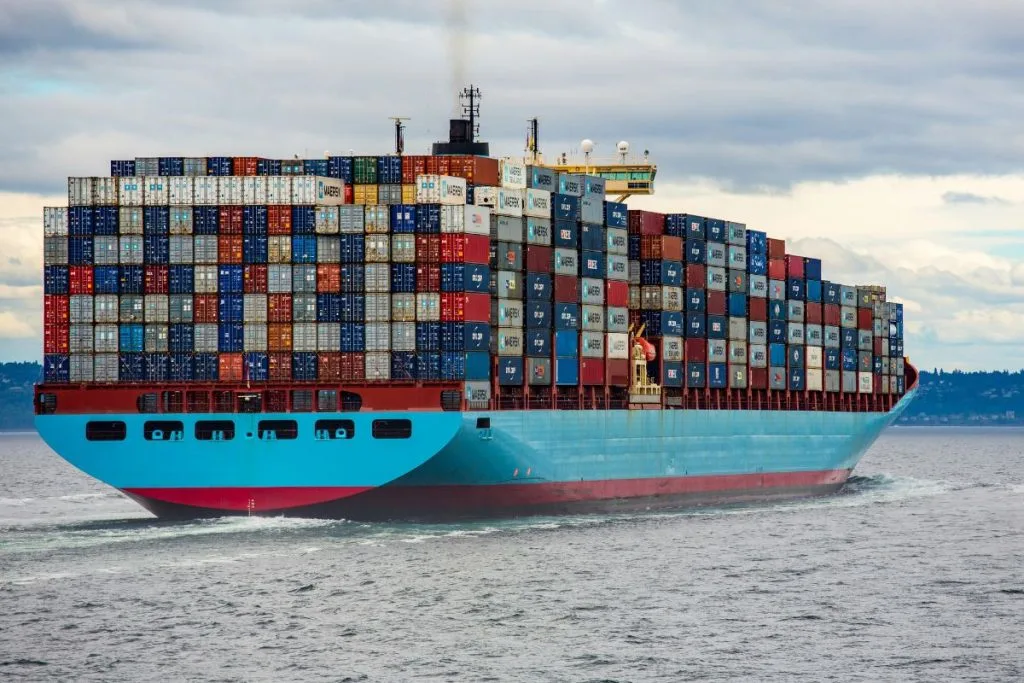
Other Chinese car producers are following BYD’s steps by placing orders for vessels too. SAIC Motors announced its plans to add 14 vessels to its logistics operations. This can definitely help to increase exports at a lower cost.
BYD Oversold Tesla Last Year
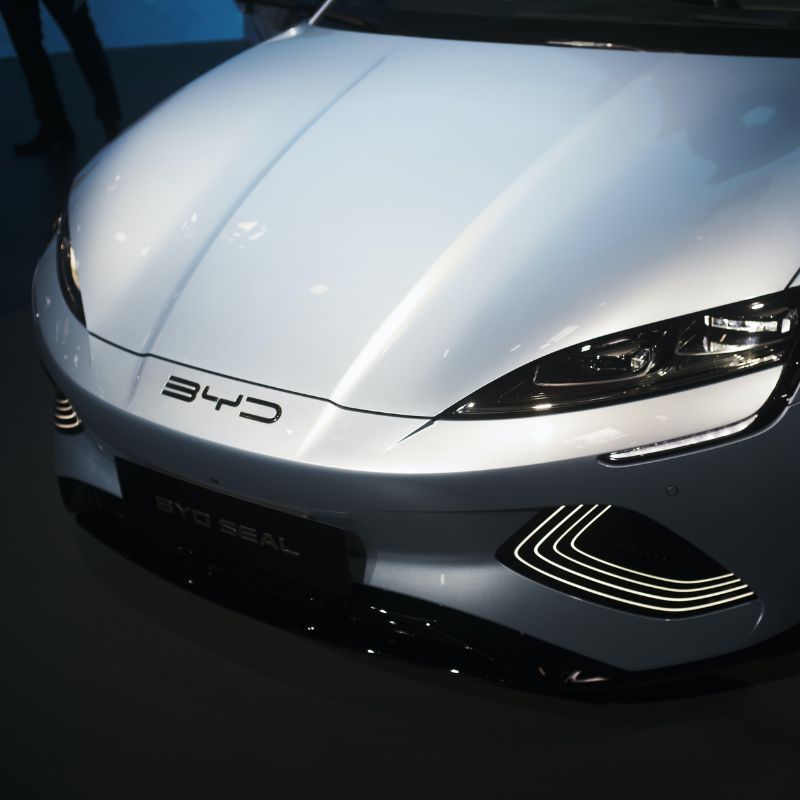
All these strategies are showing results. Earlier this year we covered that the BYD Group (“Build Your Dreams”) was able to sell more electric cars than Tesla in the international market in the last quarter of 2023. Although Tesla had more sales in terms of revenue, this was the first time BYD sold more units of EVs than Elon Musk’s company.
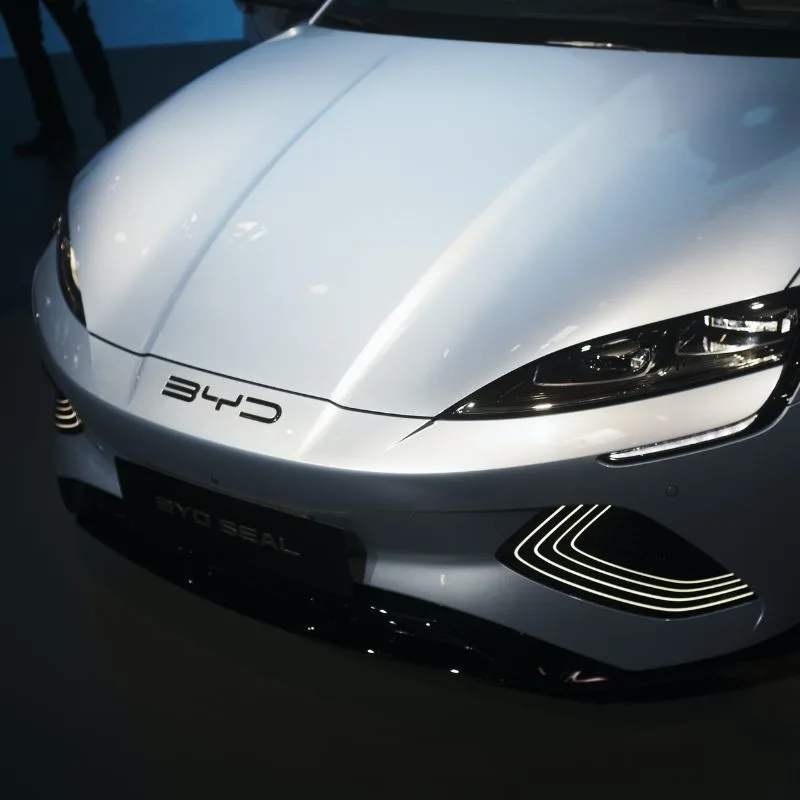
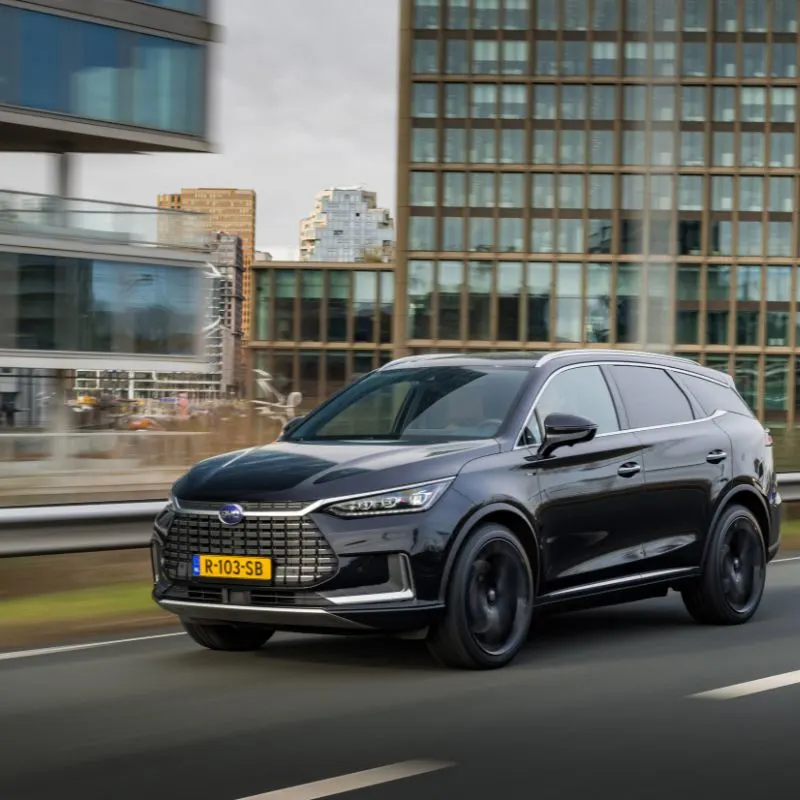
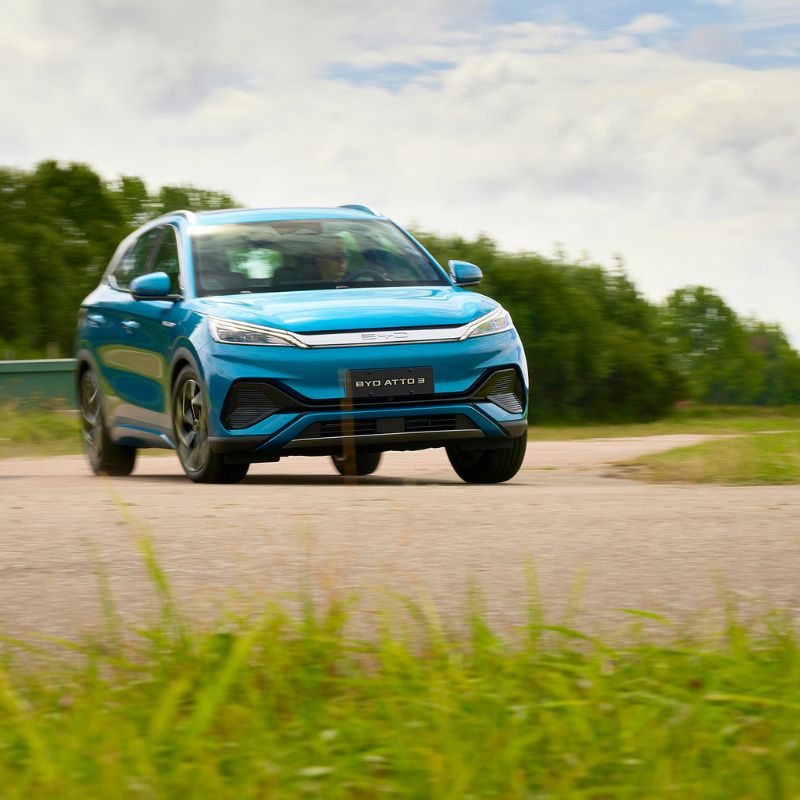
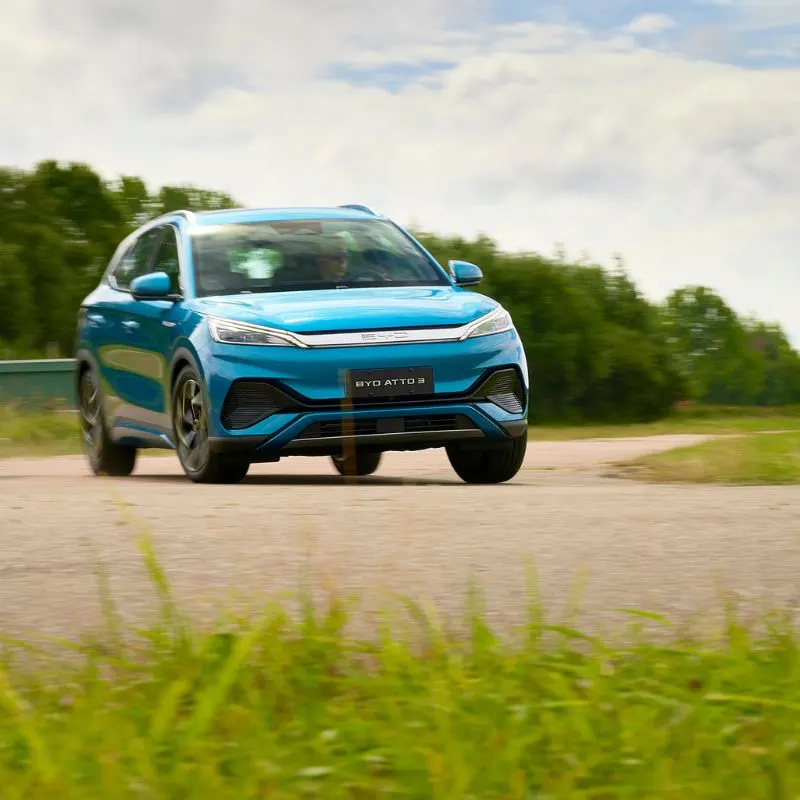
But this is not new, BYD has dominated the Southeast Asia EV market with strategic partnerships with local companies and offering affordable options to the public like the Atto 3, its best-selling SUV.
According to BYD’s website. This model is capable of accelerating from 0 to 100 km per hour in only 7.3 seconds, which is almost 0 to 62 miles per hour. Also, it has an advertised driving range of 420 kilometers or 260 miles. It is a decent driving range for an electric car, however as a point of reference, the Tesla Model Y offers 310 miles of range, or 50 miles more.
How Can BYD Enter The U.S. EV Market?
Right now, a big challenge for BYD is the import fees.
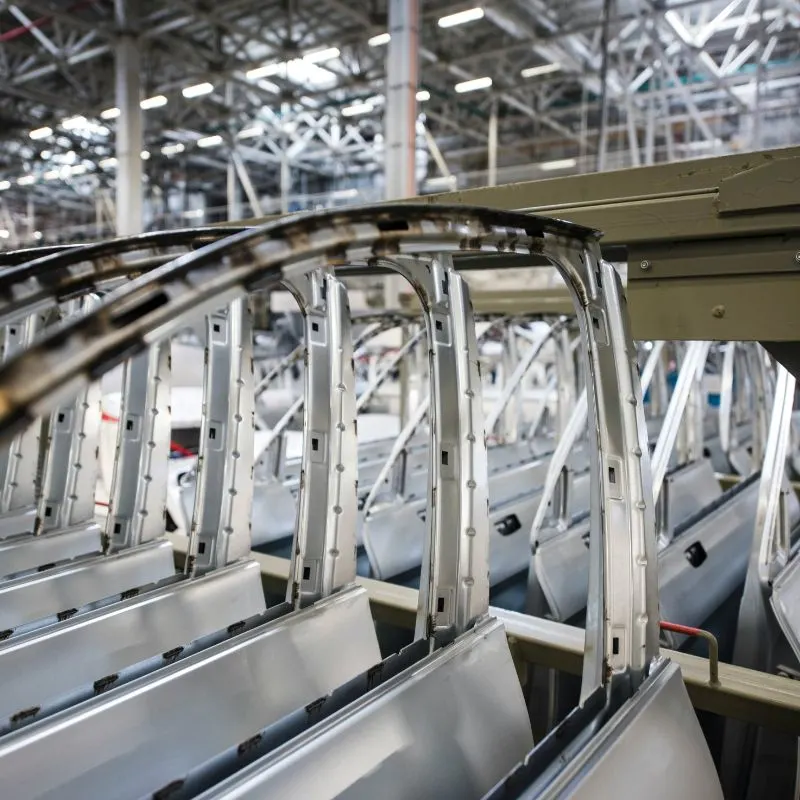
In December, the Chinese automaker announced plans to open a manufacturing plant in Hungary. Once it is open, this can help the automaker avoid the European import fees of 10% helping to offer even more affordable cars to the region.

But what about the United States?
The import duties are about 27.5% which can heavily impact the price of electric vehicles produced outside of the country that want to be sold to American drivers.
Nonetheless, BYD has mentioned previously its plans to invest in a facility in Mexico. If this comes to fruition, then according to the USMCA (the United States-Mexico-Canada Agreement), the company could dodge the importation tariff by manufacturing 70% of the value of the vehicles in the neighboring country.

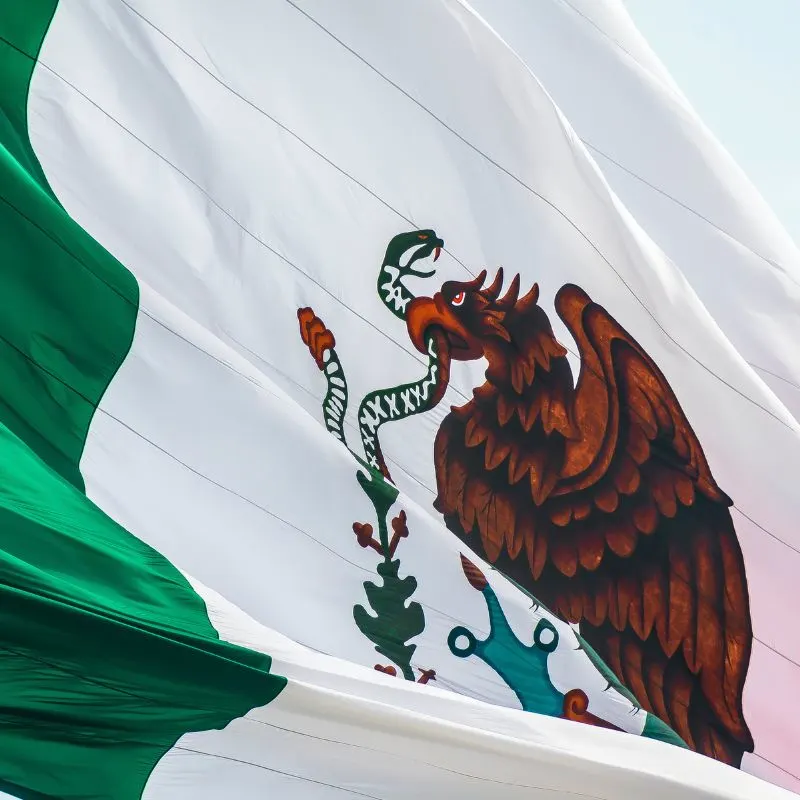
This was an increase compared to the previous agreement, the North America Free Trade Agreement which only required 62.5% of the value of the automobile to be manufactured in the region.
It can open the door for BYD to enter the American market of electric vehicles and the U.S. customer could have more options at a wide range of prices to choose from when buying an EV.